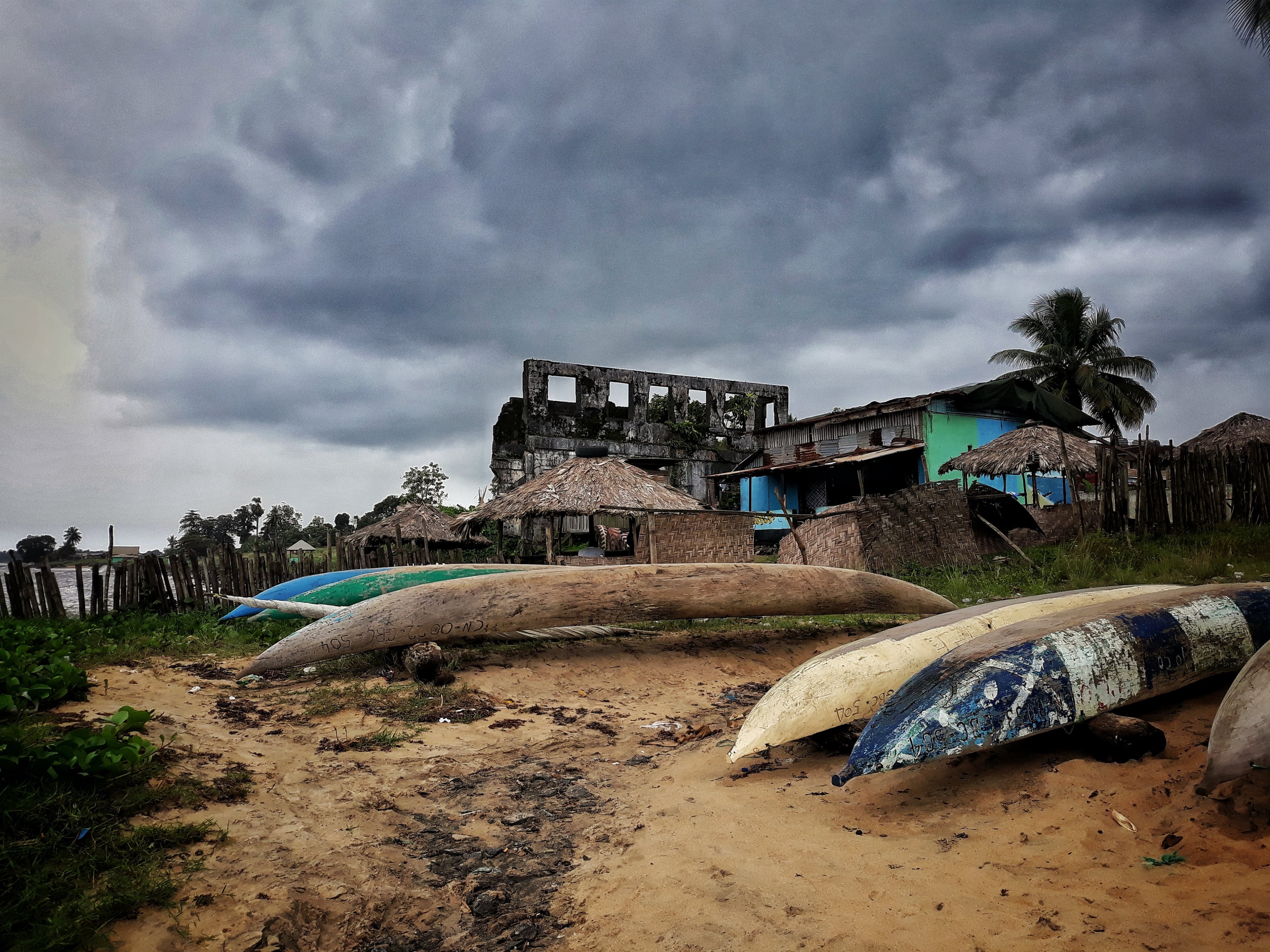

In the past several years, capture fisheries were in danger of collapsing due to the exploitation of over-fishing and pollution which affected fisheries productivity significantly. The wild fisheries were either depleted or recovering from depletion due to adverse impacts from over fishing, habitat destruction, and loss of biodiversity. For instance, the red snapper was heavily fished for decades and needed special management to control its harvest at a level considered acceptable to allow re-population. Even though it is often said that wild fish get a healthier menu than farmed fish, the world should find a balance between wild capture fish and sustainable aquaculture.
Why is this the best approach for the future?
One of several solutions to the problem of over-fishing and depletion of fishes from the ocean is to invest, regulate and monitor aquaculture and the capture of wild fish because they both offer great benefits when the two are balanced. Once both capture and aquaculture fisheries are regulated, monitored and managed, the two can sustainably feed the world’s growing population and reduce the crisis of over-fishing and loss of biodiversity. Aquaculture and wild fishery can meet the growing demands for seafood, reduce prices of fish, provide jobs, support commercial fisheries and also make fish supplies dependable and steady.
What are the impacts of this approach?
All fishing methods have impacts on the ocean and many could be considered destructive when done in total disregard to sustainability or in the wrong environment. For instance, in aquaculture, wild fishes are used to feed farmed fish which directly impacts ocean when it is not regulated. However, wild fishes live in open waters and are vulnerable to either being overly fished or bycatch. And also, the use of poisons and explosives done in many areas of the world today devastates about 10-20 square meters of the bottom of the ocean – affects coral reefs. These destructive methods of fishing are widely used in poorer countries because they are among the most inexpensive methods-controlling them without first improving the economic condition, livelihood and providing affordable alternative will be difficult. Finally, when the two approaches are practiced and well regulated, monitored and managed, they promise not only a safe seafood and sustainable fisheries but also they will play a major role in the management and conservation of commercial and international fisheries.
Can this approach sustain the growing population?
In a world with growing demands for natural resources, nearly all the seafood we eat today are either capture fish or farmed fish which means we need to strike a balance between these two approaches in order to sustainably feed the increasing population. Fishes are renewable resources- they can reproduce their populations naturally so when they are monitored and managed within certain limits on a continuing basis, it will be the most hopeful trend in the world’s increasingly troubled food system. Some fish can be caught in the wild while some can be left in farms to reproduce and replace the fish that are caught.
What should we do?
Even though eating fish is a good choice because of its health benefits, fish raised or captured responsibly has a better chance of being healthy-but we still need to be careful. It is best when you use the “Eat local” guide to make smart shopping choices. And also for developing countries that do not have these regulations, it is advisable to eat lower on the food chain because smaller fishes contain less mercury and they are plentiful.


Leave a comment