

In the process of researching this topic, I came across this quote by Theodore Roosevelt in which he launched a vigorous attack on water resources problems when he spoke to congress in 1957 about the report of the Inland Waterways Commission of 1948. “Each river system from its headwaters in the forest to its mouth on the coast is a single unit and should be treated as such.”
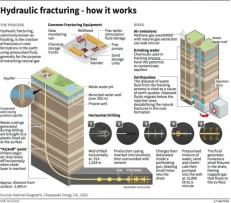
What are the pros and cons of fracking?
Most of what will often be said is to provide national security, opportunities for employment, creation of new income through landowner royalties, economic development of area and most of all the creation of clean energy production. Nevertheless, it is best to have in mind that not all residents will benefit from these explorations – every resident will suffer when these industries leave and there are no more jobs or natural gas in the basin.
In spite of the new technologies and standards set in fracking, this process is not hundred percent accident free – the risk involved is more costly than the benefits and the risk is not worth taking. Even if leaks and spills are prevented, a slow degradation of water quality due to the land cover changes can also occur. And if it does, about 15 million people who rely on the Delaware River Basin for drinking, recreation, industrial and commercial uses will be the ones to suffer. Additionally, the fact that natural gas reduces greenhouse emission is just not enough because the same natural gas also releases methane which is even more potent and takes longer time to be broken down than CO2. Lest we forget, the fracking process is done at the most sensitive and vulnerable part of the waters which is the headwaters. This takes us back to the quote of Theodore Roosevelt- a water system is a single unit and should be treated as such.
Delaware River Basin Commission Fears of Fracking
Three major concerns identified by the Delaware River Basin Commission – and these concerns should as well be the concerns of the residents also:
- That gas drilling in the Marcellus Shale may have a substantial effect on water resources of the basin by reducing the flow in streams that are used to supply large amounts of fresh water needed in the natural gas mining process.
- That drilling operations done on site may potentially add, discharge or cause pollutants to be released into the surface or ground waters.
- That “Frac water” once recovered must be treated and properly disposed of.
After natural gas, then what?
Natural gas drilling production last up 20 to 40 years and not a life time in places where the process is going on. And it will last just about the same time in the Delaware River Basin. So the Delaware River Basin Communities should not have to accept unsafe drinking water – when there is a faulty well construction and hydraulic fluids are spills, the water will definitely be contaminated. Owing to these factors, fracturing should not be allowed in the Delaware River Basin now or ever
. 


Leave a comment